

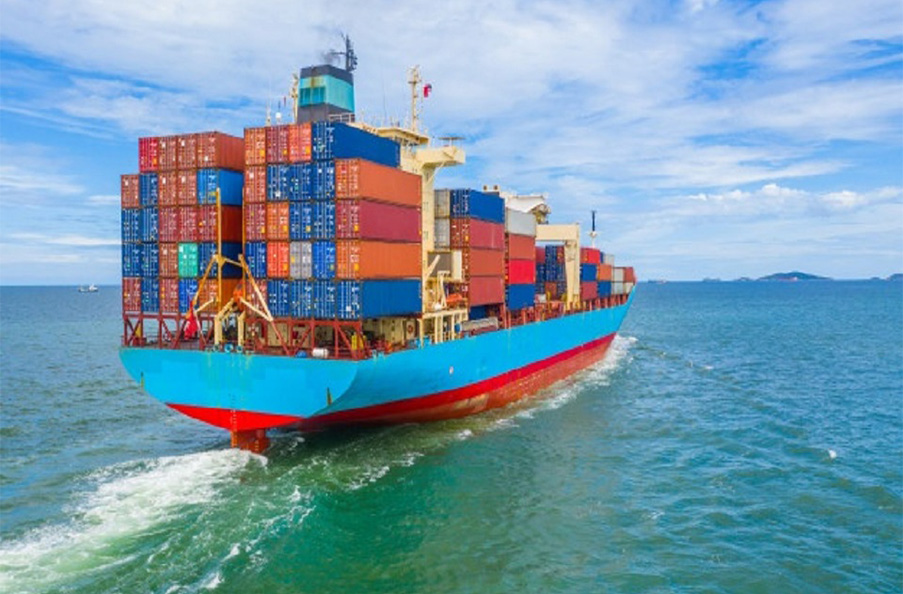
The port is described as a focus of hybrid territoriality, with wandering contours (Foulquier, 2012/1) for a pluralistic geography functioning André Vigarié (2013). Ports constitute a coercive node of international trade and a mirror of the economic health of countries. It is a catalyst for economic growth (Obioma et al, 2016). De Maton (1999) indicates that the port is a set of massive and immutable infrastructures and superstructures. Therefore, its market is characterized by very heavy investments that are difficult to sustain through public debt. It is an essential link in the global economic equilibrium, it obeys well the law of supply and demand, and political stability is decisive (Stopford, 2009). the ports become logistics centers, real nodes of intermodality where industrial agglutinate, carriers, shippers, logisticians and institutions not to mention the consequent gigantism of ships capable of transporting in a single trip the total annual freight of an average port of the 70s. To the point that industry analysts qualifying the induced effects and impacts of the container exclaim, nothing escapes the container anymore, everything can be transported by container.
In conclusion, the port will suffer from the effect of containerization, the effect of port technology, the globalization and relocation of production centers, increasing digitalization, the port community, the disengagement of public authorities for the benefit of private, and the socio-economic and political structure of its geography.
Ref. ext. thesis art, Capt. Tchaa PADASSE "maritime governance and port performance in West and Central Africa" (published on 18/08/2023 at 09:15



 En